
Travel notes
Walking Safari Lake Mburo National Park: What to Expect
TL;DR
- Expect a ranger-led, safety-focused walk with ground-level wildlife viewing, not a self-guided hike or gorilla trek.
- Most walks cover 2 to 6 kilometres at a controlled pace, often in the cooler morning or late afternoon.
- Stay with the ranger, as UWA requires accompaniment and sets 50-metre buffalo and eland buffers and 100 metres for giraffes.
- Wear closed shoes and neutral layers, carry water, and reserve the guided walk separately from park entry.
- Pair an early walk with a game drive or boat cruise for broader habitat and wildlife coverage.
A walking safari Lake Mburo National Park experience is a ranger-led wildlife walk that lets you explore Uganda’s savannah at a slower, more intimate pace than a game Bring binoculars. drive. Expect a safety briefing, a trained armed ranger, easy-to-moderate terrain, and ground-level views of zebra, impala, warthog, giraffe, and buffalo. This is never a self-guided hike or a gorilla trek.
The vehicle stops. The engine falls quiet.
Nothing separates you from the rustle of grass except your guide’s hand signal. A zebra herd that might have been a quick roadside sight becomes a real encounter. You notice fresh tracks, oxpeckers on a buffalo’s back, and why the ranger asks the group to walk in a particular line.
That is Lake Mburo’s appeal: a Uganda safari built around observation rather than distance.
“Walking safari” can create the wrong expectations when planning from abroad. This is not an all-day wilderness march, a free-roaming hike, or a substitute for chimpanzee or gorilla trekking. You walk in a wildlife area under ranger guidance and follow rules that protect people and animals.
The right departure time, footwear, clothing, activity mix, and length of stay can turn a rushed detour into a memorable part of your safari.
A Walking Safari Changes What You Notice
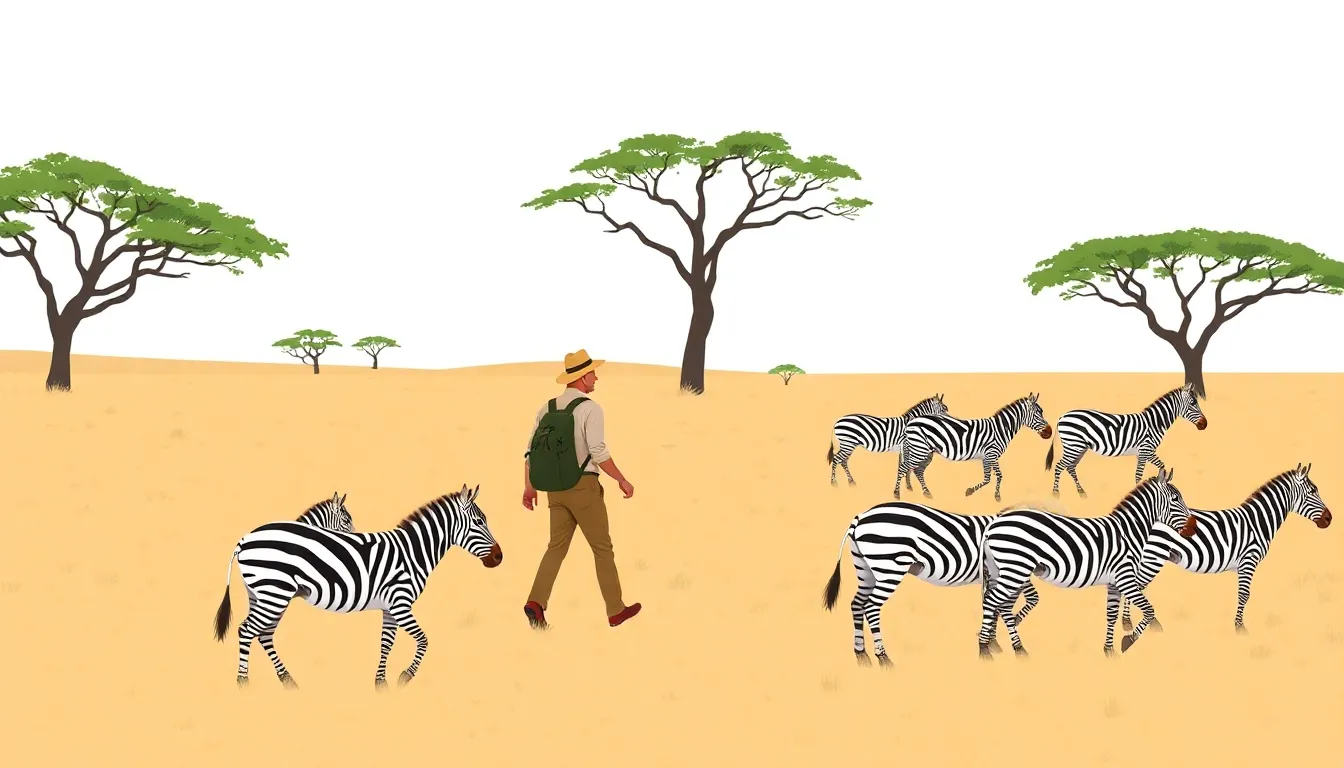
You move slowly along selected routes and follow the ranger’s instructions while learning to read the landscape at ground level.
From a vehicle, a zebra herd can look like a stripe of movement across the savannah. On foot, you notice hoofprints, dung beetles, bird alarm calls, and the way an impala group shifts before you see what caught its attention.
That is the difference. A game drive shows you the scene; a guided walk helps you understand it.
Lake Mburo suits this activity because open savannah, rolling hills, woodland patches, and wetland edges create varied but manageable terrain. Its plains wildlife gives rangers room to select routes that maintain appropriate distances.
What does a Lake Mburo walking safari feel like?
Expect an unhurried, alert experience, not a race to tick off the Big Five. Your ranger sets the pace, pauses often, and explains tracks, droppings, nesting sites, grasses, insects, and animal behaviour.
A typical walk may bring you within viewing distance of zebras, impalas, warthogs, elands, or giraffes. It may also include a quiet stretch without large mammals, followed by an explanation of why animals avoided the area.
The reward is immersion and interpretation, not a guaranteed wildlife checklist.
Weather, departure time, recent animal movement, and the chosen route shape every outing. Morning and late-afternoon walks are common because temperatures are milder and wildlife often moves more actively. Most walks cover 2 to 6 kilometres, depending on the route and group, with photo and interpretation stops included in local walking-safari guidance.
Who will enjoy the walk?
This walk suits you if you can move at a relaxed pace and want an active break from safari vehicles. First-time Uganda visitors often enjoy how it makes the park feel less like a drive-through stop and more like a place with its own rhythms.
It also fits a broader route through Western Uganda safari destinations. You might walk in Lake Mburo in the morning, take a game drive later, then continue to Bwindi Impenetrable National Park for a separately planned gorilla trek.
Do not wander off alone with a camera. Uganda Wildlife Authority ranger accompaniment is required, and the ranger may alter or end a walk when animal behaviour requires it. Lake Mburo guidance also sets viewing buffers: 50 metres for buffalo and eland, and 100 metres for giraffes on designated walking routes.
Pack for quiet movement, not a strenuous trek:
- Closed walking shoes with decent grip
- Neutral-coloured, lightweight clothing
- A hat, sunscreen, and plenty of water
- Binoculars and a camera you can use quickly
Before confirming accommodation or transport, ask your safari planner to reserve the guided walk as a separate activity. Park entry does not automatically include a walking slot, and some routes need advance notice.
Read the wider Lake Mburo National Park guide before choosing your walk. It helps you match the activity to the park’s location, access points, and other itinerary options.
How Does a Lake Mburo Walking Safari Work?
Walks are booked at the Rwonyo park office, where Uganda Wildlife Authority (UWA) staff coordinate the ranger-led activity. Morning departures commonly start around 7:00 a.m., while afternoon walks often begin around 4:00 p.m.; confirm the exact time when you book because daily arrangements can shift with park operations and conditions. Published Lake Mburo guidance puts most walks at 90 minutes to two hours.
Imagine arriving before sunrise at your Lake Mburo lodge, taking a short transfer to Rwonyo, and leaving the vehicle behind. A ranger pauses after noticing fresh tracks pressed into the grass. That pause changes the scale of the park: instead of spotting zebras from a distance, you notice hoofprints, grazing sounds, and the alert turn of a herd’s ears.
What happens at the meeting point?
Your lodge or safari operator should confirm the walk with UWA before you arrive at the park office. You’ll then meet the assigned ranger, who leads the route and manages safety throughout the activity.
The briefing covers where to stand, how closely the group should stay together, what to do if wildlife changes direction, and why silence matters. Rangers set viewing distances around animals such as buffalo, eland, and giraffe, and may end a walk if animal behaviour becomes defensive, according to Lake Mburo walking-safari safety guidance.
The ranger’s role differs from your driver-guide’s role. The ranger manages the group on foot and interprets what sits directly in front of you: tracks, dung, birdsong, wind direction, plants, and animal posture. Your driver-guide manages transfers, lodge timings, park entry, and the wider route through Western Uganda safari destinations.
Where will you walk?
The ranger selects the route on the day. Wildlife movements, weather, ground conditions, group ability, and park operations all shape that decision.
Areas around Rwonyo can include open savannah and the salt-lick zone, where wildlife may gather around mineral-rich ground. Other designated sections may follow woodland, lakeshore habitat, or viewpoints with wide park views. A walk is not a fixed hiking trail with a guaranteed set of sightings.
Rubanga Forest, for example, can require advance coordination. It suits travellers interested in woodland birds and a different habitat from the open grasslands, but you should never book a trip assuming a named route is guaranteed. Ask what the operator plans to request, then leave the final routing decision to UWA staff and the ranger.
How fast does the walk move?
Expect a controlled, stop-start pace rather than a fitness march. The terrain is generally gentle, but the pauses are the point.
One group may stop to photograph zebras beyond the grass. Ten minutes later, the ranger may focus everyone’s attention on tracks, a nesting site, or fresh dung that reveals which animals passed through earlier. You cover ground, but not in a hurry.
A typical hypothetical morning works well for travellers combining activities. You could leave a lodge before sunrise, walk for roughly two hours with frequent stops, return for breakfast, then take a later boat cruise or game drive in Lake Mburo National Park. That pacing makes the walk a distinct experience, not a replacement for every vehicle safari.
What should you confirm before paying?
Request the planned start time, estimated duration, meeting location, and whether the activity runs privately or with other visitors. Also ask if the ranger activity fee appears separately from park entry, since those charges may be handled differently.
Wear closed walking shoes, neutral-coloured clothing, and carry drinking water; visitor guidance for Lake Mburo walks advises two litres per person. Uganda Wildlife Authority tariffs and activity procedures can change, so request a 2026 confirmation from your operator or UWA rather than relying on older fee figures online.
What Wildlife Can You Realistically See on Foot?
A walking safari Lake Mburo National Park experience rewards patience, not a species checklist. You are most likely to notice plains animals, birds, tracks, plants, and close ranger interpretation rather than every headline animal in the park.
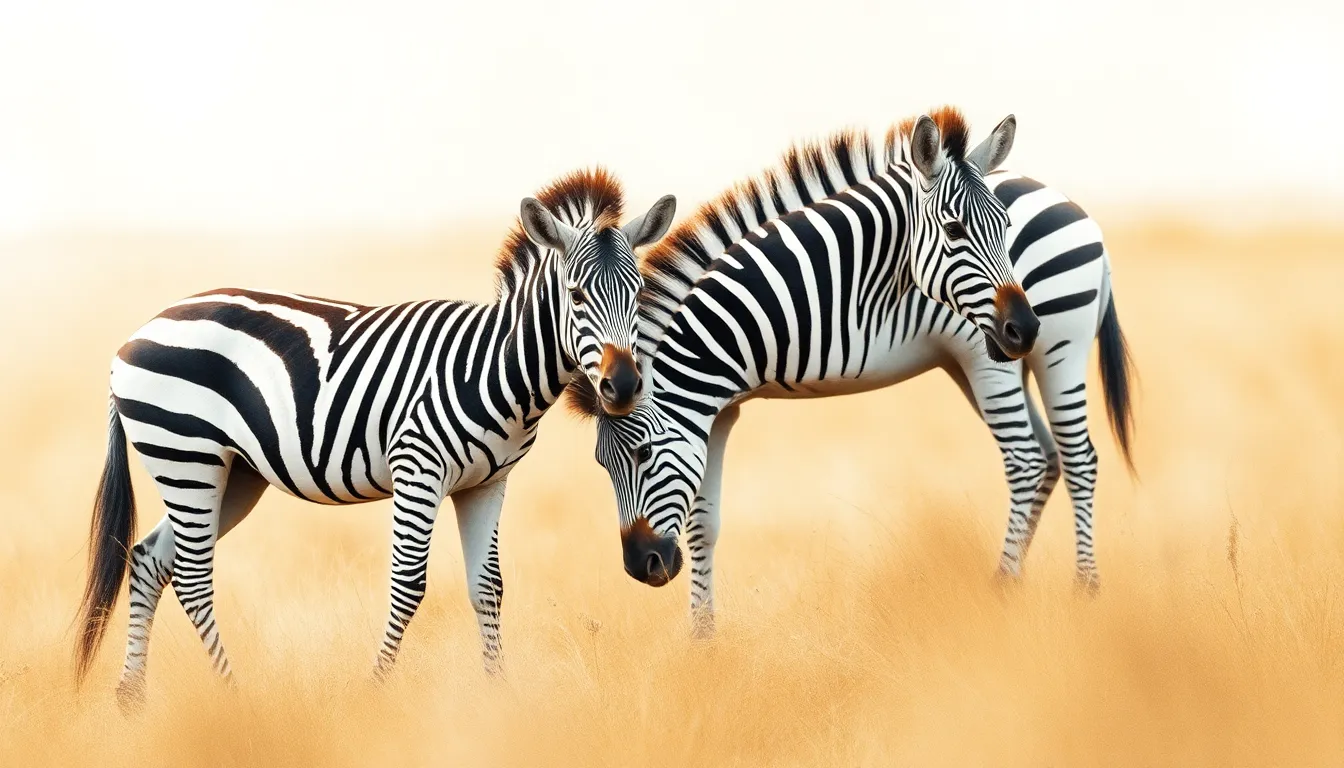
Zebra, impala, warthog, waterbuck, and other open-country wildlife may appear along the route. You may also see buffalo, usually from a distance selected by the ranger. The group stops, watches, or changes direction according to animal behaviour, wind, vegetation, and sightlines.
Ranger judgment matters more than one extra step for a photograph.
The best sightings on foot often start with evidence: fresh hoofprints, clipped grass, dung, alarm calls, or movement through an acacia thicket.
A vehicle covers more ground and scans distant hillsides or lakeshores quickly. Walking slows the pace enough to read what happened before you arrived. You can inspect hoofprints, compare grazed and ungrazed grass, hear insects in the scrub, and identify bird calls overhead.
| What you notice | On a walking safari | On a game drive |
|---|---|---|
| Ground signs | Tracks, scat, insects, and feeding patterns are easy to inspect | Often passed at speed |
| Distant animals | Limited by terrain and safe viewing distance | Easier to scan across open country |
| Photography | Strong for details, landscapes, and nearby plains wildlife | Better for distant subjects and fast repositioning |
| Ranger interpretation | Focuses on small clues and animal behaviour | Often focuses on locating wildlife across a wider area |
Which animals are most likely to appear?
Open grassland and acacia areas offer the best chance of plains species, but no route promises sightings. A herd may have moved beyond the ridge, or animals may rest under cover during the heat.
Keep expectations realistic around larger wildlife:
- Buffalo demand space. Your ranger may stop the group, observe quietly, or choose another route.
- Hippos near water are viewed from appropriate positions, not approached for a closer image.
- Any unsettled animal changes the plan. A good walk does not push an encounter; it keeps everyone calm and safe.
Recent rain, heat, wind, and disturbance affect where animals feed and rest. Lake Mburo’s varied wildlife gives you reason to stay alert, not a guarantee that every animal will appear.
Is Lake Mburo good for birding on foot?
Yes, especially when you tell the ranger that birds are a priority before departure. Lake Mburo has more than 300 recorded bird species, and its wetlands, lakeshore, woodland, and grassland offer more variety than one savannah track. A guide to Lake Mburo walking safaris notes the park’s broad birdlife alongside its plains mammals.
Wetland and lakeshore stretches can bring waterbirds into view or earshot. Acacia scrub and open grassland suit scans for raptors and smaller savannah birds. On wooded routes, bird calls may be the clue.
If you stay near the gate, ask Canine Safaris to schedule the activity around a ranger-led departure. State your priority at the briefing: mammals, birds, photography, tracks, or plants. That helps the ranger select a suitable route without compromising safety.
Lake Mburo works well as the plains-and-wetland part of a wider Uganda route. Pair it with forest wildlife in Bwindi Impenetrable National Park, or compare it with the big-game focus of a 3-Day Murchison Falls Big Game & Nile Safari.
Safety Rules Make the Walk Possible
Stay with the ranger, follow instructions immediately, keep a safe distance, and never approach, feed, surround, or separate animals for a photograph.
A Uganda Wildlife Authority (UWA) ranger is the trained park officer who guides the group and makes field safety decisions. Published guidance limits walking groups to eight people and excludes children under 12. It also specifies a 50-metre buffer for buffalo and eland, and 100 metres for giraffe on Lake Mburo walking safaris.
The ranger reads animal posture, fresh tracks, wind direction, sightlines, ground conditions, and the movement of other wildlife. You may see open savannah; the ranger may see a buffalo route, hidden dip, or need for a quiet retreat.
| Situation | Sensible response | Unsafe mistake |
|---|---|---|
| Wildlife is visible from the approved point | Use your camera zoom and wait for the ranger’s cue | Step forward so the animal appears closer in a photo |
| The group pauses near buffalo or giraffe | Hold position and keep the required distance | Drift sideways for a clearer angle |
| The ranger changes direction | Turn with the group without debate | Continue on the original path or break away |
| An animal becomes alert or defensive | Stay quiet and follow the ranger’s pace | Make sudden movements, shout, or film at close range |
Mute your phone, walk quietly, and remain in the agreed formation. Avoid sudden gestures, never use flash near animals, and do not leave the group for a better viewing angle. Animal space always takes priority.
Zebras, impalas, warthogs, birds, insects, tracks, and plant signs reward patient walkers. Buffalo require managed distance, while elusive animals are not targets for dramatic close encounters. The ranger may point out droppings, nesting patterns, and tracks instead of moving closer.
Severe rain, slippery ground, heat, low visibility, wildlife movement, a participant’s medical concern, or a park decision can lead the ranger to reroute, shorten, postpone, or cancel the outing.
Treat that as sound field judgment, not a service failure.
Tell your operator before departure about limited mobility, pregnancy, recent injuries, respiratory conditions, medication, or a need for frequent rests. That information helps plan a suitable experience around your wider Mbarara and the Ankole Region itinerary.
Before leaving your lodge, save your operator’s emergency contact and carry personal medication. Confirm that your travel insurance covers guided wildlife activities in Uganda. Ask Canine Safaris to confirm the ranger arrangement and current UWA requirements for your date.
When Should You Walk and What Should You Bring?
Do not treat this as an ordinary marked-trail hike. You do not choose the direction, set the pace, or push on because you feel energetic; the ranger does.
What time of day is most comfortable?
Early morning is usually the most comfortable time to walk. It offers cooler temperatures, softer light, and animals that may still move before the heat builds. Many guided walks depart around 7:00 a.m. and last roughly two hours, though ranger availability, weather, and route determine the final plan. Published Lake Mburo walk schedules also list late-afternoon departures.
A morning walk suits you if you can start at the park or sleep nearby. It also leaves time for breakfast, a game drive, or a transfer.
A later walk can suit a transfer day, especially when arriving from Mbarara or continuing toward other Western Uganda safari destinations. Expect stronger sun, warmer ground, and more animals resting in shade.
Season matters, but no month is perfect for every traveler. Drier periods often bring firmer trails and shorter grass, while rainy conditions bring greener scenery and muddier footing. Plan your wider route using the Uganda safari blog and travel tips, not a rigid “best season” promise.
What should you wear and carry?
Dress for comfort, quiet movement, and changing weather—not safari photos.
Pack these items in a compact daypack:
- Closed, broken-in walking shoes or lightweight boots with decent grip
- Neutral-coloured, breathable layers and long trousers
- A brimmed hat, sunglasses, sunscreen, and insect repellent
- A refillable water bottle
- Personal medication, a small camera, or binoculars
- A light waterproof layer during rainy conditions
Closed shoes and neutral clothing are practical choices, not safety equipment. They protect your feet, reduce discomfort, and avoid distracting colours or flapping fabric. The ranger’s instructions remain the primary safety control.
Leave noisy bags, loose plastic, oversized tripods, and excess camera gear behind. If equipment takes too long to assemble, you may miss the sighting and delay the group.
How fit do you need to be?
You do not need to be an athlete, but you need to walk steadily and stay on your feet for the full duration. Uneven ground, grass, short inclines, heat, and pauses can tire anyone expecting a flat, paved path.
Be honest before confirming the itinerary. Tell your operator about:
- Your shoe size, if equipment is being arranged
- Mobility limits, knee or balance concerns, and medication needs
- Dietary timing, especially if you need breakfast before departure
- Photography priorities and whether you need extra time at sightings
- Any request for a private or slower-paced walk
A ranger may stop the group after noticing movement in thick grass or a wind change. Stay quiet, wait for the signal, and let the route change when conditions require it.
For broader arrival, transfer, and activity planning, use the Lake Mburo National Park overview and the Uganda safari FAQs.
Which Lake Mburo Activity Fits Your Safari Style?
Choose a guided walk for close interpretation and an active experience. Pair it with a game drive or boat cruise when you want broader habitat coverage and more varied wildlife viewing.
A cool early walk feels different from an exposed afternoon on open grassland. Match your activity mix to your comfort, energy, photography goals, and available time.
| Activity | Best for | Pace | Typical wildlife perspective | Physical demands | Weather exposure | Ideal itinerary slot |
|---|---|---|---|---|---|---|
| Guided walking safari | Tracks, birds, plants, active exploration | Slow, stop-and-observe | Ground-level views of grassland ecology and animal signs | Moderate walking on uneven ground | High | Early morning |
| Game drive | Broad mammal viewing and photography range | Vehicle-based, flexible | Wider savannah and track network coverage | Low | Moderate; vehicle provides shelter | Late afternoon or early morning |
| Boat cruise | Water wildlife, birds, hippos, wetland scenery | Relaxed | Lake-level views of shoreline and wetland habitats | Low; boarding required | High | Mid-afternoon or late afternoon |
| Horseback ride | Confident riders seeking a different route through the park | Steady, guided | Quiet, elevated perspective of plains wildlife | Moderate to high; riding experience matters | High | Cooler morning or late afternoon |
Why a walk and game drive work so well together
An early walk followed by a game drive is a strong pairing for first-time visitors. The walk reveals hoofprints, dung, bird calls, thorns, grazing patterns, and the ranger’s reading of the landscape.
The drive then covers ground you should not cover on foot. It can take you through more of Lake Mburo National Park, with wider views of savannah, acacia woodland, and animal movement.
These activities do different jobs. One slows your attention; the other expands your range.
Choose a walk when you value interpretation and time outdoors. Choose a game drive when your priority is covering more habitat in limited time.
Where does the boat cruise fit?
A boat cruise suits you when water wildlife and birds rank high on your list. Instead of reading tracks along a trail, you watch the lake edge, wetland vegetation, and animals using the water.
That contrast makes a cruise a useful addition rather than another similar drive. Walking routes focus on terrestrial ecology, while the lake reveals another side of the park’s wildlife rhythms.
Guided walks often run in cooler conditions, and rangers select routes around weather and wildlife movement. Walking-safari guidance for Lake Mburo also notes that route lengths vary, so confirm the planned pace before booking another demanding activity.
Is horseback riding the right alternative?
Horseback riding is a distinct guided experience, not a substitute for a walk. It may suit confident riders who want a quieter way to move through the landscape, but it is not the place to test rusty skills after a long transfer.
Confirm:
- Current operator availability and departure times
- Your riding ability and any weight, age, or health requirements
- Current park rules, route conditions, and weather guidance
After rain, choose closed walking shoes with grip. They help on uneven ground, through long grass, and around thorns.
Build the activity mix around your stay length
With one night in the park, keep the plan focused: arrive for an afternoon game drive, sleep inside or near the park, then take an early guided walk before departure. You get both scale and detail without rushing.
With two nights, add a boat cruise on the middle afternoon or following day. This leaves room for transfers, meals, weather changes, and the slower pace that makes Lake Mburo enjoyable.
Before requesting quotes from Matoke Tours, Nkuringo Safaris, Volcanoes Safaris, Great Lakes Safaris, or Acacia Safaris, rank your top priorities:
- Photography
- Birds
- Active exploration
- Water wildlife
- Broad mammal viewing
Then compare inclusions, driving times, park access, and confirmation of current activities, not brochure labels alone. If Lake Mburo is part of a longer route through Western Uganda safari destinations, protect the morning walk instead of cramming every activity into a short stop.
Build a Lake Mburo Stopover That Works
Lake Mburo works best as a deliberate one- or two-night stop, not an activity squeezed into a long transfer day. Ask which experience fits your available time and what you want to notice.
A game drive covers ground and gives you the best chance of broad wildlife viewing in a short window. A guided walk trades range for tracks, bird calls, plants, and ranger interpretation. When time allows, both belong in the same itinerary.
| Your priority | Best fit | How to schedule it |
|---|---|---|
| See as much of the park as possible in limited time | Game drive | Arrive, check in, and drive in the late afternoon or early morning |
| Slow down and understand the landscape | Guided walking safari | Stay inside or near the park and walk early before your onward transfer |
| Add waterbirds and a different wildlife perspective | Boat cruise | Allow a second night so the cruise does not compete with your walk |
| Break up the road journey to southwestern Uganda | One-night stopover | Arrive in the afternoon, walk early next morning, then depart south |
| Build a fuller Lake Mburo experience | Two-night stopover | Combine a walk with a game drive or boat cruise without rushing either |
Why does Lake Mburo fit the southwestern Uganda route?
Lake Mburo is a useful pause between Entebbe or Kampala and the gorilla parks in the southwest. Instead of making one long push toward Bwindi Impenetrable National Park, split the journey with a night in or near the park.
This works well if you arrive at Entebbe, spend your first night nearby, and begin the road safari the next morning. Lake Mburo adds a savannah chapter before the forest-focused experience ahead and breaks up long drives and steep terrain.
Accommodation location matters. A lodge deep in the park may offer faster access to an early activity, while a property near the main road can simplify the southbound departure. Choose according to your arrival time, planned walk, and next destination.
What should you book first?
Set your gorilla permit dates first. Those permits anchor the route because you must report on a fixed morning, and a late vehicle, rain-affected road, or unrealistic transfer can create needless stress.
Once those dates are fixed, place Lake Mburo on realistic driving days. Then choose accommodation, reserve the ranger-led walk, and confirm park entry, vehicle arrangements, meals, guide requests, and the next departure time. Some walking routes need advance notice, and all walks require UWA ranger accompaniment, according to Lake Mburo walking-safari guidance.
A capable operator also plans for lodge check-in cutoffs, delayed flights, rain, route changes, and the time needed to leave the park before heading south. Those details determine whether the stop feels calm or hurried.
What does a practical itinerary look like?
Consider a couple landing at Entebbe with gorilla trekking booked later that week. They drive to Lake Mburo, check into their lodge, and keep the first evening easy instead of trying to fit in every activity.
They take an early guided walk the next morning, return for breakfast, check out, and continue southwest. This is the cleanest one-night version because it protects the walk and leaves daylight for the onward transfer.
With an extra night, they can arrive early enough for an afternoon game drive, walk the following morning, and add a boat cruise later that day. They leave after breakfast on day three. This version suits travelers who want Lake Mburo to feel like a destination rather than a roadside pause.
Give your planner your arrival airport, fixed travel dates, budget range, preferred pace, accommodation style, must-see wildlife, and gorilla permit status. Ask for a day-by-day route that shows driving time beside activity timing, not a vague park list. Compare Western Uganda safari destinations, then use the Uganda safari FAQs to identify practical questions before confirming the route.
Take the First Step Off the Vehicle Track
A walking safari in Lake Mburo National Park lets you slow down and experience the bush at ground level. You follow tracks, read fresh signs, and watch wildlife without a vehicle between you and the landscape.
Plan the walk for early morning, wear neutral layers and sturdy shoes, and book with a qualified ranger or guide who knows the terrain and safety rules. Build your Lake Mburo stop around the pace that suits you, whether that means a guided walk, game drive, boat trip, or a mix of all three.
For help planning a practical itinerary, Canine Safaris can help coordinate the details. Pack smart, stay alert, and let the safari reveal details most travelers miss.